Travelling in monsoon requires lot of preparation. This is one of the reason, some people hesitate to hike in monsoon. But unfortunately or fortunately, this is the season to enjoy the gushing waterfalls, do some crazy and adventurous treks. It is not very difficult and but also more fun if you pack properly.
Every time when we (BCF) plan for any monsoon hike.. The most commonly raised questions that pop up are what to pack ?? are these enough ?? what if these get wet ? what are the essential items? do I need anything more? Can I carry these all throughout the trek ?? I am sure all these questions start ticking in your mind too… That’s where this ultimate blog comes to answer your questions and prepare you for your monsoon adventure..
After getting so many enquiries from our BCFians I thought its better to put in a blog to help out everyone ..
With the vast experience of leading monsoon hikes in western ghats which are very famous for heavy downpours.. I am writing down the best experimented, budget friendly ways and providing a checklist to pack efficiently so that you can enjoy your monsoon hike smoothly..
1. Rain cover for Backpack
It is the most important and first layer of protection for backpack. If your backpack gets wet, everything become wet. So, always carry a good rain cover for backpack. Most of the hiking backpacks now come with rain cover , if not buy one additionally
You cannot totally depend on rain cover itself also , because they are not waterproof completely . Especially when there are heavy downpours ,it can’t help alone completely .
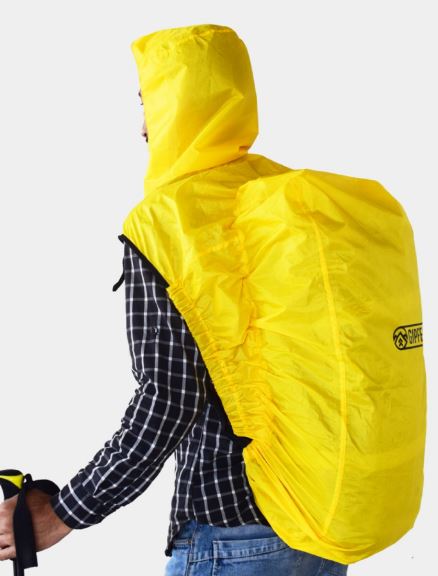
Recently I happened to see the above rain cover, looked amazing as it covers backside of backpack also. It prevents water from entering through backside of our body into back of bag.
2. Wrap the items in plastic covers
If you want everything to be dry.. put all of them in separate plastic covers and roll them up. It is second layer of protection. Even if your raincover get wet, plastic covers helps to keep our things dry.
Put all things in separate plastic covers, and place all the covers in one big plastic cover before putting in backpack. You can use some marker outside the cover to indication.
Don’t throw plastic covers away, you can use same covers for next trip also
3. Keep Rain coat / Poncho handy always
Having a good rain coat prevents you from getting wet and cold. Better the quality of rain coat , you stay dry for longer period. Raincoats made of Gore –Tex works good in keeping us dry and they are breathable too. . Nylon / Spandex are budget alternative to Gore-Tex.
Better to keep them handy out side the backpack , in case of sudden rain we cannot open whole backpack to take out poncho.
Well, there is lot of discussion regarding Poncho / Raincoat .. which is better ??
Poncho covers backpack also, its one advantage we have but its not comfortable to trek especially when you are hiking in Himalayas with large boulders on trail. I suggest to go ahead with Rain coat + pant for better protection and comfort .
4. Prefer Quick dry clothes
In a multi day hike Carry dry-fit clothes rather than cotton . Cotton absorbs moisture. Dry-fit clothes takes less time to dry. Change the clothes once you reach campsite. Put one extra pair always to wear after hike while in the journey.
5. Extra socks and undergarments
Hiking with wet socks during multi day trek is a pain and it leads to frostbite also in cold areas. Always carry multiple pair of socks. Try to dry them up once you reach the campsite / home stay.
Using the same wet underwear for longer times leads to fungal infections sometimes. Better to carry multiple and use wisely. Always keep one aside for return journey.
Synthetic underwear / thermal underwear are advisable for better insulation
Pro –Trip: You can use anti fungal powder if your skin is prone to fungal infections. Especially when you are wearing wet underwear it helps to prevent infections.
6. Dry bags for electronic gear
Keep your electronic gadgets in dry bags. Even though your backpack is waterproof, you have a rain cover, still there is a possibility of getting things wet. So put all the electronic gadgets and valuable things (Id cards, Debit and Credit cards etc) in dry bags. No one wants to go back from trip with damaged gadgets, so protect them better.
You can use Go pro / any water resistant gadgets for taking pics but try to keep the remaining electronics in dry bags. These bags are now available online and in sports stores. Mobile covers also now available but don’t take them for granted.
7. Floaters / sandals for moderate hikes
In some areas where our shoes get wet completely it’s always better to use floaters with good grip. Especially when you trekking in western ghats ( Maharashtra / Karnataka) its better to use floaters on moderate trails. Better than shoes which takes more time to dry if they get drench, floaters will help a lot.
But using of floaters subjected to your experience and grade of trek too. Know about the trail before you go.
8. Save yourself from blood sucking leeches
Surviving leech attack in wet forests is always a challenge. Know the area of the trek, before you go. There are some remedies to protect yourself from leech attcks.
- Apply Dettol / Savlon into shoes and on exposed areas
- Coconut oil mixed with tobacco powder
- Salt bags help to get rid of leeches from body
- Anti-leech socks also available
- In worst case Apply odomas / toothpaste on hands and legs
Keep checking for leeches whenever you stop, Never stop on ground as more leeches stick while you removing few. Better to stop on rocks .
9. Anti – fogging spectacles
For people who wear spectacles, it’s advisable to use anti-fogging spectacles. We can’t clean our spectacles regularly in hike when its raining. Use cap on head which prevents rain to hit on face directly.
10. Take care of feet
Hours of continuous hiking in water may damage our feet inside the shoes. Once you reach campsite clean your feet with fresh water. Apply for anti- fungal powder. In between break also its better to remove shoe and let the feet get some air.
Waterproof shoes sweat a lot keeping our feet wet always, So use Water resistant shoes which allows ventilation. Keep feet moisturized always.
11. If you are on a camping trip , be little more cautious
- Make sure you tent is waterproof
- Keep a tarp under your tent
- Keep all wet clothes outside the tent
- Change wet clothes once you reach campsite
These wet clothes can be used next day also as they can get dry by our body temperature while hiking.
12. Mosquito Repellents
Generally in monsoon season insects / mosquitoes ply more. Stagnated water makes a shelter for these which cause more infections and diseases . So, wear full sleeves and apply mosquito repellents on exposed areas.
There are some natural remedies which are alternatives to mosquito repellants..
- Lemon Eucalyptus
- Cinnamon oil
- Lavender oil
Carry Anti bacterial creams, Anti – histamine( OTC) tablets in first aid kit.
13. Water Filter
In the outdoors basically more infections happen due to water. People generally say water from hills are always safe to drink they have mineral values, Well , it may not be correct all the time. Monsoon make the water muddy and dirty also. Carry a portable filter always.
If you don’t have a filter use ready to made filter with you bandanna / hand karcheef before getting water from any stream. Now a days water purifying tablets also available.
How to use the check list??
From my past experience when I didn’t use these kind of checklist, I forgot something to pack and suffered because of that, sometimes I forgot my stuff at campsites and homestay also. Now am more careful about all..
- Make list of these on a paper / create a checklist in Google notes
- Before trek just review once whether you have all these things at home / anything need to buy from shop
- When ready to pack put everything on floor, go through the list one by one and double check before placing in backpack..
Trekking in monsoon is not that dangerous.. in fact there are some treks which you can enjoy only in monsoon, you just need to be smart while packing. Hope I gave all the info which can make your monsoon hike safe and sound ….
Happy Trekking
Notes from BCF:
We organize this trip very often through out the year. You can follow us on Instagram for regular updates. Insta ID –bcf.official. For more info on BCF upcoming events visit us here. About logo you can read here.
Contributed by Bharath (BCF’s Organizer)
Follow Bharath on Instagram here
Bharath is a full time trek lead with Backpackers and City Freaks for the past 3 years. He has completed Basic Mountaineering Course(BMC) and he is a certified Wilderness First Responder also. He is available @ 8008072787 / whats app direct link
Lets Connect 😃😃
Does this trigger memories of similar experiences? Please share with us.
Would love to connect with an engaged audience. We shall post it on bcfblogs!
 Backpackers & City Freaks | BCF